Know the Signs and Symptoms
Problem gambling isn’t always easy to spot. Know the signs of problem gambling before getting in too deep. Problem gambling can develop gradually and may be hard to recognize at first. If you or someone you know if showing any of the following behaviors, it could be an early warning sign of a gambling disorder:

Behavioral
- Feeling the need to hide or lie about gambling habits
- Struggling to control or stop gambling
- Gambling longer or more often than intended
- Increasing the size of bets to chase a “high” or recover losses
- Creating excuses to gamble or canceling other plans to do so
- Gambling even without the money to do so
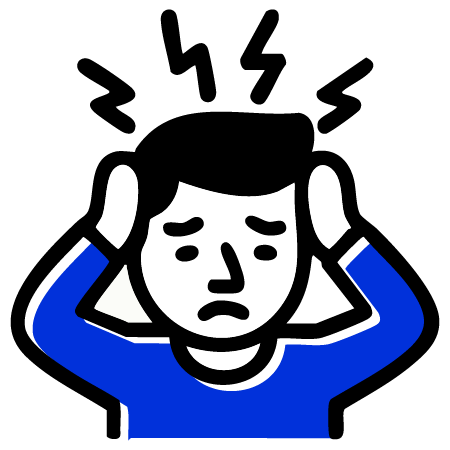
EMOTIONAL & SOCIAL
- Constant thoughts or tension around gambling
- Restlessness, irritability, or mood swings when not gambling
- Withdrawing from family, friends, or normal activities
- Notable personality changes like increased anger or hostility
- Friends and family expressing concern

FINANCIAL & LEGAL
- Bragging about wins while avoiding discussion of losses
- Borrowing money frequently or redirecting family funds to gamble
- Unexplained wealth or possessions
- Missing work or home responsibilities
- Involvement in theft or other criminal activity to fund gambling
Signs and Impact on Families
Problem gambling doesn’t only affect the person placing the bets. It can also take a serious toll on family members, relationships, and overall household stability. When gambling begins to interfere with daily family lives, it’s important to recognize the signs and know there is help.
How Gambling Can Affect the Whole Family
Problem gambling can create lasting strain within a household. Some of the most common impacts include:
- Increased stress and anxiety for partners, children, and other family members
- Loss of income or savings that were intended for basic needs or long-term goals
- Breakdown of trust due to lying or hiding gambling behavior
- Relationship tension or separation caused by repeated conflicts or instability
- Emotional distress such as fear, guilt, shame, or helplessness
- Neglected responsibilities including childcare, work, or household duties
- Co-occurring problems such as substance use, depression, or legal issues
Warning Signs for Family Members to Watch For
If you’re concerned about a loved one, here are common signs that may indicate a gambling problem:
- Secretive behavior about time or money
- Unexplained financial issues or frequent borrowing
- Mood swings, defensiveness, or irritability when asked about gambling
- Sudden changes in routines, friends, or interests
- Unpaid bills or notices despite having an income
- Missing work, school, or important obligations
- Lying about how much time or money is spent gambling
- Feelings of extreme excitement or depression after gambling
- Denial or minimizing the issue when confronted