

What is Problem Gambling?

Problem gambling is characterized by behavior that can severely impact your well-being. It occurs when gambling or betting begins to interfere with work, school, or other responsibilities; causes financial stress; harms mental or physical health; damages your reputation; or leads to relationship problems with family and friends.

Understanding
Gambling Problems

Three green and white casino chips are shown. The front chip has a sad face on it, while the other two chips are plain.

It’s Not Just About the Money.

Problem gambling is less about how much money you win or lose and more about how gambling makes you feel and the role it plays in your life.

It Can Be Hidden.

Many people with gambling problems go to great lengths to hide their behaviors, which can delay support and strain relationships.

It Often Coexists with Other Issues.

Problem gambling is frequently linked to mental health challenges such as depression, anxiety, and substance use.

Help is Available.

Recovery is possible, and there are confidential resources and treatment options that can provide support every step of the way.

It Can Develop into a Disorder.

Like substance use disorders, gambling disorder is a behavioral addiction listed in the DSM-V that involves a loss of control and a compulsion to continue despite negative consequences.

Illustration of a bearded man holding a large magnifying glass, looking closely as if inspecting something. The background is light green and the mans shirt is a darker green.

Who It Affects

Problem gambling can affect anyone, regardless of age, income, education level, or background. While it may seem like a personal issue, the truth is that gambling addiction often touches entire families, workplaces, and communities. Understanding who is most vulnerable is an important step in prevention, early intervention, and support.

Simple illustration of a person with short black hair, wearing a purple shirt and smiling, on a light gray background.Young Adults

Impulsivity, peer pressure, and easy access to online betting make young adults especially vulnerable. Early gambling can lead to long-term issues with finances, relationships, and mental health.
Illustration of a person wearing an orange cap and shirt, holding an American football. The drawing uses bold black lines and simple shapes on a white background.Sports Fans

The rise of legal sports betting exposes fans to constant gambling opportunities. Casual bets or fantasy leagues can quickly spiral, especially when fueled by team loyalty or game-day hype.
Simple illustration of a person with shoulder-length hair and a blue heart on their chest, suggesting kindness or compassion.Parents & Caregivers

Many teens gamble through video games, apps, or friendly bets, often without adults noticing. Staying informed and engaged helps prevent small habits from becoming serious problems.


Seniors

A simple line drawing of a bald man with glasses, a green mustache, and a green shirt, depicted in a cartoon style.

Gambling can offer distraction from loneliness or grief, but fixed incomes and isolation make older adults more susceptible to harm when gambling becomes a coping tool.
Illustration of a person with short hair, wearing an orange shirt, shown from the shoulders up. An upward-pointing arrow in a circle is overlaid on the lower right side of the image.
People in Recovery

Those recovering from substance use or other addictions may turn to gambling as a substitute. Without strong support systems, it can become another serious struggle.

Student Athletes
Illustration of a person wearing a purple graduation cap and gown, holding an orange American football under one arm, representing a student athlete or graduate involved in sports.

Pressure to perform, maintain scholarships, and balance academics can make student athletes vulnerable to risky behaviors, including sports betting. Access to insider knowledge or team connections can create a false sense of control, leading to impulsive or competitive gambling that escalates over time.

Military VeteransIllustration of a person wearing a blue beret and shirt, with a green star-shaped medal hanging on their chest, representing a decorated soldier or military personnel.
Transitioning back to civilian life can be challenging, and some veterans may turn to gambling for excitement, social connection, or relief from stress and trauma. Without support or awareness, what starts as a harmless pastime can quickly become a harmful routine.

How Gambling Is Different from Other Addictions

A black outline of an eye with a green iris, overlaid by a black diagonal line, symbolizing visibility off or hidden. The background is light gray.
No Visible Symptoms

There are no bloodshot eyes, slurred speech, or physical withdrawal.

Illustration of a person with dark hair wearing a blue shirt, holding one finger to their lips in a gesture signaling silence or to be quiet.Easier to Hide

Gambling often takes place online or alone, making it easier to conceal.

Socially AcceptedThree simple human figures, two standing together and one facing them, with an orange accent. A speech bubble containing three dollar signs ($$$) is above the single figure, suggesting a discussion about money.

Sports betting, lottery play, and casino trips are often seen as harmless fun, masking the signs of addiction.

A green wallet with a clock partly inside it, suggesting the concept of saving or managing time like money.Financial Harm is Delayed

People may use credit cards or borrow money to continue gambling, making the impact harder to detect until it’s severe.


Why It’s Hard to Spot

Problem gambling is often called the “hidden addiction” for a reason. Unlike substance use disorders, there are no physical signs, no smells, and no clear evidence left behind. People struggling with gambling can often hide the problem for months or even years.

Unlike alcohol or drug use, gambling doesn’t leave visible marks. But the emotional, financial, and relational damage can be just as serious.

Illustration of a hand emerging from a hole, holding a magnifying glass over a browser window with multiple purple notification bars, symbolizing search or analysis. The background is light purple.

Understanding Gambling Problems

Three green and white casino chips are shown. The front chip has a sad face on it, while the other two chips are plain.

It’s Not Just About the Money.

Problem gambling is less about how much money you win or lose and more about how gambling makes you feel and the role it plays in your life.


It Can Be Hidden.

Many people with gambling problems go to great lengths to hide their behaviors, which can delay support and strain relationships.


It Often Coexists with Other Issues.

Problem gambling is frequently linked to mental health challenges such as depression, anxiety, and substance use.


Help is Available.

Recovery is possible, and there are confidential resources and treatment options that can provide support every step of the way.

It Can Develop Into a Disorder.

Like substance use disorders, gambling disorder is a behavioral addiction listed in the DSM-V that involves a loss of control and a compulsion to continue despite negative consequences.


Illustration of a bearded man holding a large magnifying glass, looking closely as if inspecting something. The background is light green and the mans shirt is a darker green.

Who It Affects

Problem gambling can affect anyone, regardless of age, income, education level, or background. While it may seem like a personal issue, the truth is that gambling addiction often touches entire families, workplaces, and communities. Understanding who is most vulnerable is an important step in prevention, early intervention, and support.

Simple illustration of a person with short black hair, wearing a purple shirt and smiling, on a light gray background.

Young Adults

Impulsivity, peer pressure, and easy access to online betting make young adults especially vulnerable. Early gambling can lead to long-term issues with finances, relationships, and mental health.
Illustration of a person wearing an orange cap and shirt, holding an American football. The drawing uses bold black lines and simple shapes on a white background.

Sports Fans

The rise of legal sports betting exposes fans to constant gambling opportunities. Casual bets or fantasy leagues can quickly spiral, especially when fueled by team loyalty or game-day hype.

Simple illustration of a person with shoulder-length hair and a blue heart on their chest, suggesting kindness or compassion.

Parents & Caregivers

Many teens gamble through video games, apps, or friendly bets, often without adults noticing. Staying informed and engaged helps prevent small habits from becoming serious problems.

A simple line drawing of a bald man with glasses, a green mustache, and a green shirt, depicted in a cartoon style.

Seniors

Gambling can offer distraction from loneliness or grief, but fixed incomes and isolation make older adults more susceptible to harm when gambling becomes a coping tool.
Illustration of a person with short hair, wearing an orange shirt, shown from the shoulders up. An upward-pointing arrow in a circle is overlaid on the lower right side of the image.

People in Recovery

Those recovering from substance use or other addictions may turn to gambling as a substitute. Without strong support systems, it can become another serious struggle.
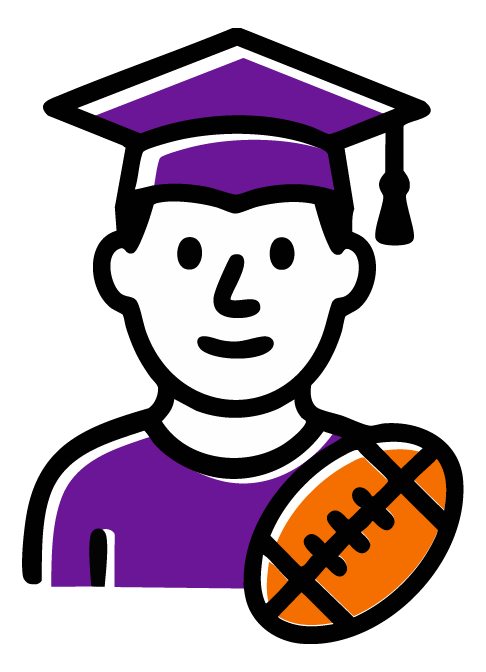
Illustration of a person wearing a purple graduation cap and gown, holding an orange American football under one arm, representing a student athlete or graduate involved in sports.

Student Athletes

Pressure to perform, maintain scholarships, and balance academics can make student athletes vulnerable to risky behaviors, including sports betting. Access to insider knowledge or team connections can create a false sense of control, leading to impulsive or competitive gambling that escalates over time.
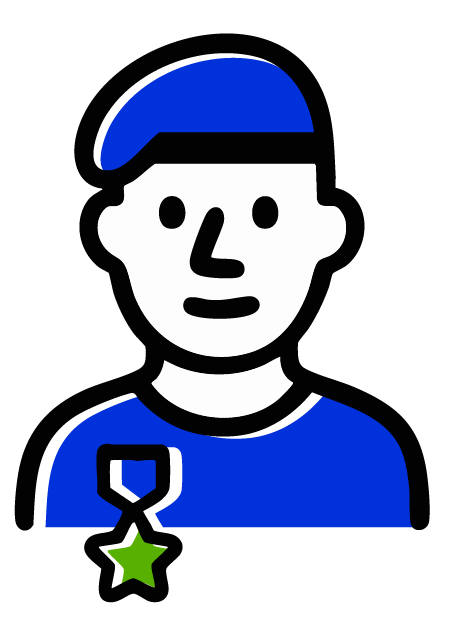
Illustration of a person wearing a blue beret and shirt, with a green star-shaped medal hanging on their chest, representing a decorated soldier or military personnel.

Military Veterans

Transitioning back to civilian life can be challenging, and some veterans may turn to gambling for excitement, social connection, or relief from stress and trauma. Without support or awareness, what starts as a harmless pastime can quickly become a harmful routine.

How Gambling Is Different from Other Addictions

A black outline of an eye with a green iris, overlaid by a black diagonal line, symbolizing visibility off or hidden. The background is light gray.

No Visible Symptoms

There are no bloodshot eyes, slurred speech, or physical withdrawal.
Illustration of a person with dark hair wearing a blue shirt, holding one finger to their lips in a gesture signaling silence or to be quiet.

Easier to Hide

Gambling often takes place online or alone, making it easier to conceal.
Three simplified human figures, two standing together and one separate, with an orange accent. A speech bubble with three dollar signs ($$$) comes from the single person.

Socially Accepted

Sports betting, lottery play, and casino trips are often seen as harmless fun, masking the signs of addiction.
A green wallet with a clock partly inside it, suggesting the concept of saving or managing time like money.

Financial Harm is Delayed

People may use credit cards or borrow money to continue gambling, making the impact harder to detect until it’s severe.

Why It’s Hard to Spot

Problem gambling is often called the “hidden addiction” for a reason. Unlike substance use disorders, there are no physical signs, no smells, and no clear evidence left behind. People struggling with gambling can often hide the problem for months or even years.


Unlike alcohol or drug use, gambling doesn’t leave visible marks. But the emotional, financial, and relational damage can be just as serious.

Illustration of a hand emerging from a hole, holding a magnifying glass over a browser window with multiple purple notification bars, symbolizing search or analysis. The background is light purple.
Illustration of binoculars with blue accents, drawn in a bold, cartoon style. The right lens has a white highlight and three small lines nearby, suggesting light reflection or focus.

What to Watch For

Because it’s not always visible, the signs may appear emotionally or behaviorally. Look for secrecy, mood swings, financial stress, changes in personality, or withdrawal from family and friends.

HOW CAN WE HELP?

A purple phone handset icon above the bold black words CALL OR TEXT on a plain light background.

877-770-STOP (7867)

A green chat bubble with three dots inside is above the bold black text ONLINE CHAT on a light gray background.

Live chat now

An orange map pin icon placed on a simple black and white map illustration, with the words Local Support in bold black letters underneath.

Search for local treatment providers near you

An illustration of a computer monitor displaying a checklist and a large question mark, with the words START QUIZ written in bold black letters below.

See if you or a
loved one is at risk